Why the thriving market town of Órgiva, located between the Costa Tropical and the Sierra Nevada, attracts people from across the world, and things to do and see…
FOR DECADES, Órgiva – in the heart of he Alpujarra of Granada – has enjoyed a special role in southern Spain, and has won people’s hearts. Set between the coastline of the Costa Tropical, the mountain villages of the High Alpujarra, and the quiet scenery of the Contraviesa, the town is one of the most internationally diverse communities in Andalucía. It is the de facto ‘Capital of La Alpujarra’, and is a lively cultural melting pot.
Central to the higher white villages (‘pueblos blancos’), that sprawl across the south flank of the Sierra Nevada, Órgiva has traditionally been the main commercial and social hub of the Alpujarra of Granada. Long before yoga retreats, ecstatic dance sessions, and ‘digital nomads’ arrived, farmers and traders travelled from surrounding villages for markets, livestock fairs, and vital supplies. Historically, the surrounding countryside supported traditional crops, including olives, almonds, oranges, lemons (a la Chris Stewart), cherries, chestnuts, figs, grapes (the list goes on), and livestock farming. The cultivated terraces, criss-crossed by ancient waterways, are a key feature of the area. The region is also known for its impressive variety of fauna and flora.
Today, the older agricultural identity (complete with traffic jams caused by goats!) exists alongside an international atmosphere and thriving community spirit.
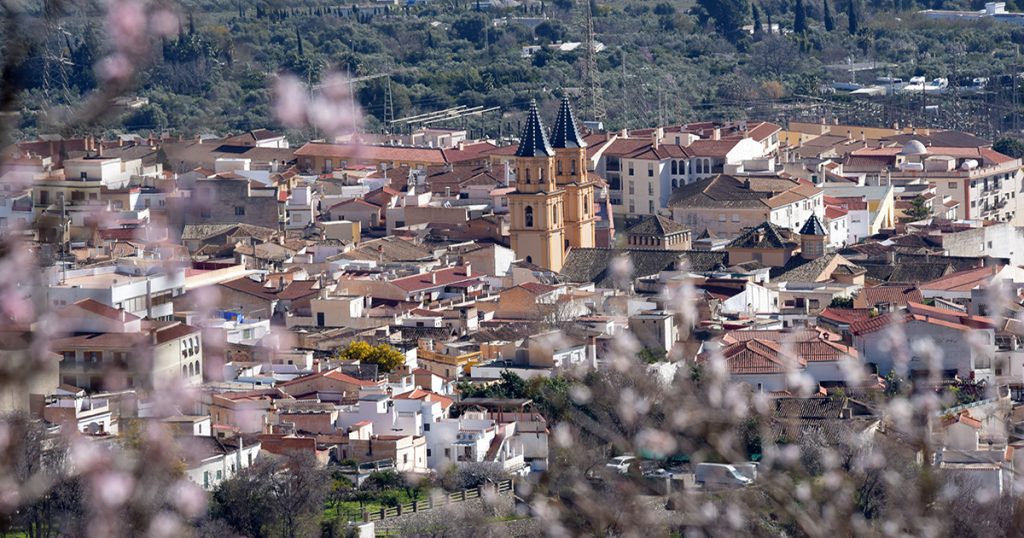
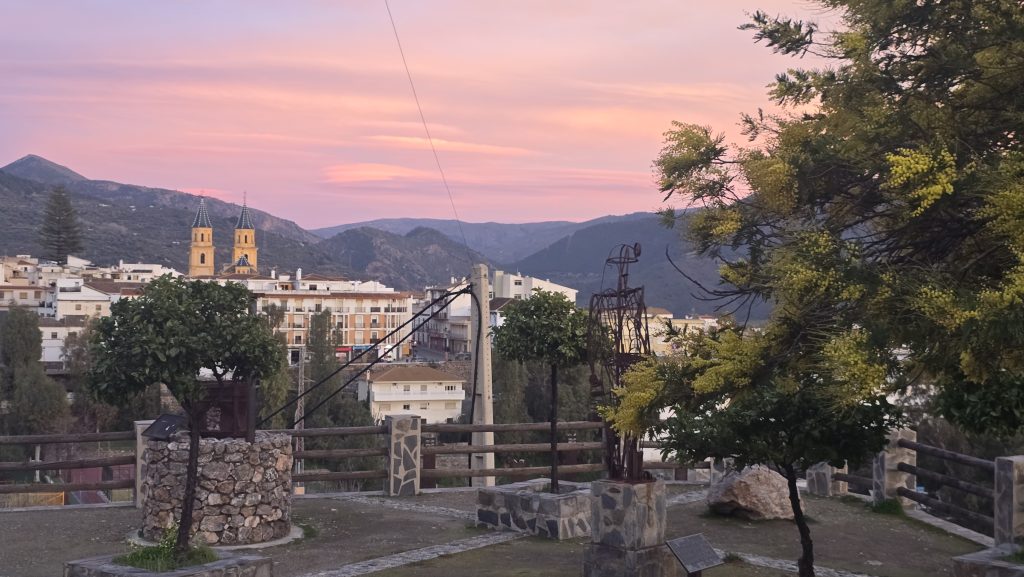
Between the coast and the mountains
One of Órgiva’s main advantages is its location. The town sits on the A-348, within easy reach of the Costa Tropical and popular coastal towns such as Salobreña, Almuñécar, and Motril – driveable within an hour. Meanwhile, the city of Granada and the ski slopes of the Sierra Nevada are a stone’s throw away. The ski resort at Pradollana is popular during the extended winter season (it has only just closed!).
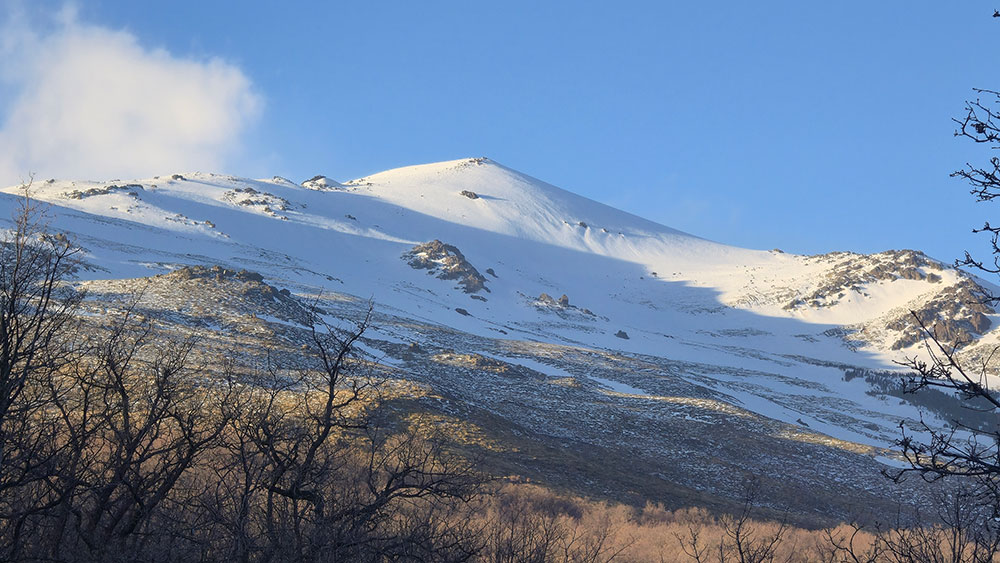
Órgiva is a practical base for exploring the high Alpujarra (‘Alpujarra Alta) – including the charming white villages of Soportújar, Pampaneira, Bubión, Capileira, and Trevélez. The quieter Contraviesa, to the south, remains popular with walkers, cyclists, photographers, and motorists looking for less-developed routes and scenery. The Contraviesa is established grape-growing country, and hosts many vineyards and ‘bodegas’ (wine-producing centres). A famous one is Cuatro Vientos at Murtas.
The area around Órgiva is known for its ‘acequia‘ (water channel) walks, mountain trails, and riverside routes along the Guadalfeo. Nearby zones – such as the Río Chico, the trails under Las Barreras, and the centenary olive walks – attract visitors throughout the year. On foot, bike, or horse, you can explore for hours.
In a poll on a local forum, 30% of respondents said they were attracted to Órgiva by the scenery.
Historic Órgiva and its development as a tourist hub
Historic photographs of Órgiva show a markedly different town. Unpaved streets, mule “traffic”, livestock trading, and farmers converging from surrounding villages shaped daily life during the early 20th century. The distinctive church towers of the Parroquia Nuestra Señora de la Expectación, and the Plaza García Moreno, formed the town centre, although (clearly!) much of the modern expansion was yet to come.
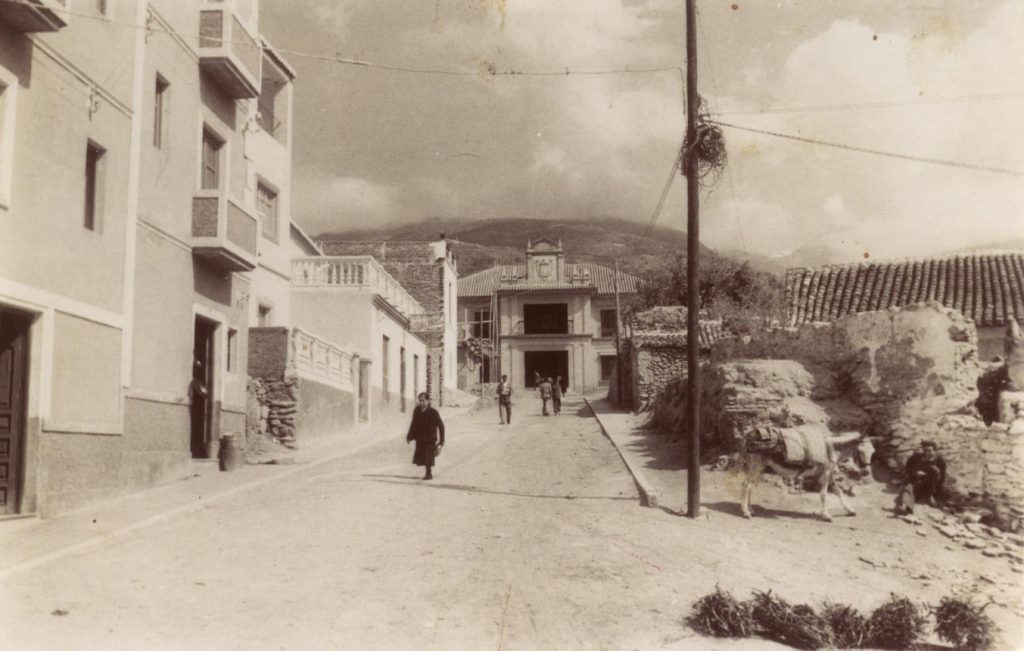
While visitors traversed Órgiva and La Alpujarra during the later stages of the Franco era, the tourism sector remained relatively limited for much of the 20th century. La Alpujarra was considered remote by many Spaniards. Its access roads were windy, slow, and difficult, and most visitors tended to be intrepid writers, walkers, artists, and brave travellers. Some were interested in the legacy of Gerald Brenan and seeing mountain villages that were steeped in the traditional ways.
Órgiva’s modern, international identity developed from the late 1970s onwards. As roads improved, and overland travel through Europe became commonplace, an influx of foreign travellers, musicians, artists, and alternative communities began settling in the valleys. British, Dutch and German residents gradually became established in the area, helping to shape the multicultural atmosphere that characterises modern-day Órgiva.
To this day, parts of Órgiva’s older identity – a centre for agriculture and commerce – remain visible through the Thursday market (which has moved location several times), the farming sector, and its role as a hub for surrounding villages.
Órgiva has constantly grown in popularity and – alongside other thriving villages such as Soportújar and Capileira – is one of the most recognisable names in online searches for La Alpujarra. However, the witchy village of Soportújar gains pole position on Google Search for Granada province.
A multicultural and creative community in Órgiva
With the Sierra Nevada to the north, the Contraviesa to the south – dominated by the imposing mountain, Lújar – and social events drawing people from a wide catchment area, Órgiva is a powerful magnet for people from different countries and walks of life.
Órgiva town hall (‘ayuntamiento’) states that around 72 nationalities are represented within the municipality, with foreign residents accounting for roughly a quarter of the population. British, German, and Dutch residents remain among the largest international groups. The mix has broadened in recent years, with newer arrivals from France, Italy, Switzerland, Holland, and elsewhere in Europe. Some arrivals are recently from the US.
That diversity is reflected in daily life. On any given weekend, Órgiva might host DJ nights, flamenco performances, artisan markets, live music events, walking groups, and exhibitions by local artists and photographers. Traditional cafés, agricultural supply stores, and businesses selling ‘jamon’, (cured ham) sit alongside vegetarian restaurants, handmade clothing businesses, and alternative therapy centres.
The eclectic atmosphere developed during the later years of the “hippie trail era”, when travellers and alternative communities began settling in the Alpujarra during the 1970s and 1980s. Settlements such as Beneficio, Cigarrones and El Morreón became associated with alternative lifestyles – attracting musicians, artists, and craftspeople, looking for a different pace of life from larger cities and coastal resorts.
Órgiva: an evolving town
Meanwhile, tourism and accommodation standards have gradually evolved Some say “gentrified”! Renovated ‘cortijos’‘ (rural houses), boutique guesthouses, and professionally run retreats exist alongside the older alternative communities that shaped the town’s nature.
The wider Alpujarra has long attracted writers, artists and musicians, famously including Gerald Brenan, who settled in the village of Yegen in the 1920s. An early “travel logger”, he had visits from the Bloomsbury set. Since then, creative people have been drawn to Órgiva, creating a vibe that feels different to other rural Andalucian towns. Órgiva was, “back in the day”, renowned for the (controversial) Dragon festival, that was popular in Cigarrones from 1997 to 2009.
Although Órgiva has modernised considerably, much of the landscape remains recognisable from older photographs. Olive groves, agricultural terraces, and mountain passes shape the valleys, while the Río Guadalfeo flows below the historic Seven Eye Bridge, to the south of the town. This river area offers a natural dip pool, constructed by the town hall each summer – with a picnic area and ample parking.
The mixture of old and new is part of Órgiva’s appeal.
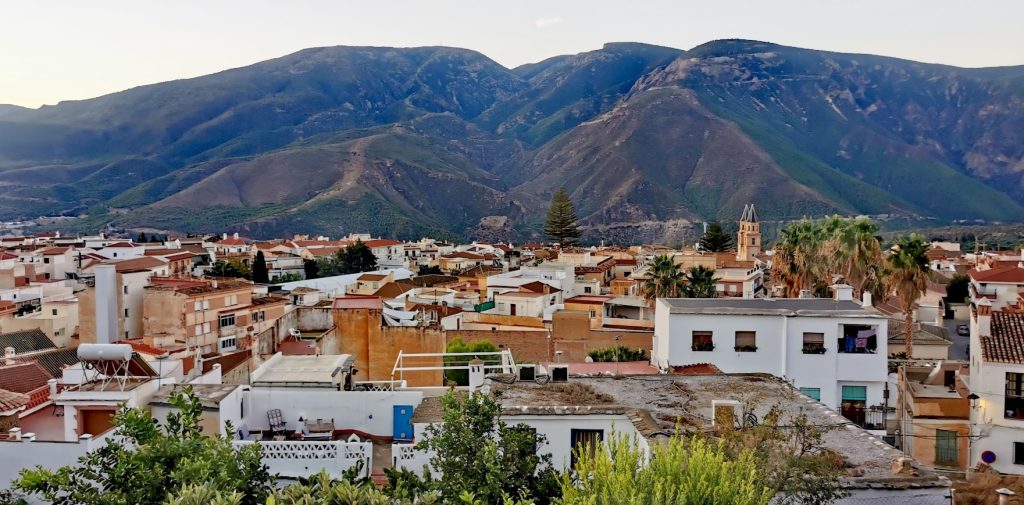
Órgiva is an ideal base for exploring southern Granada
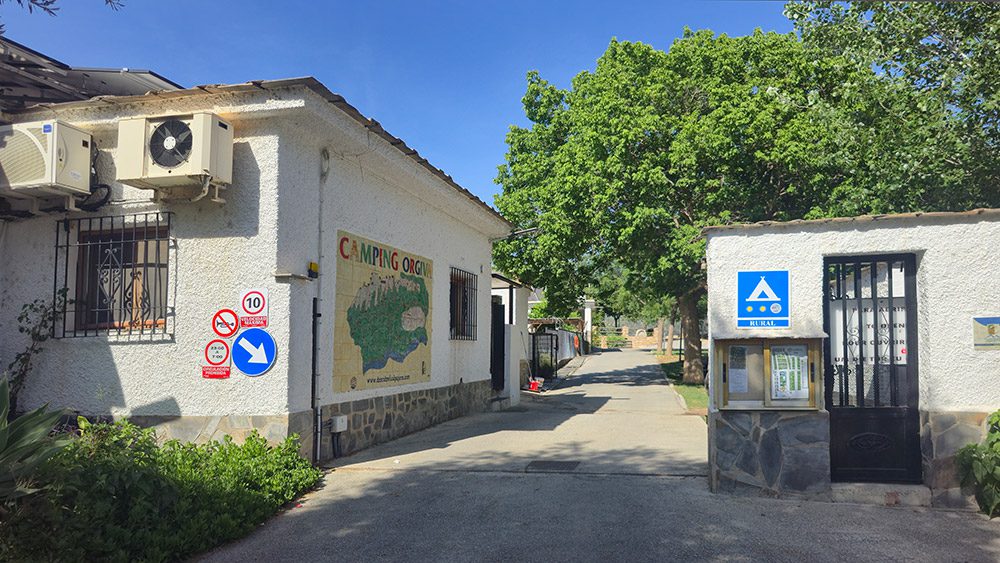
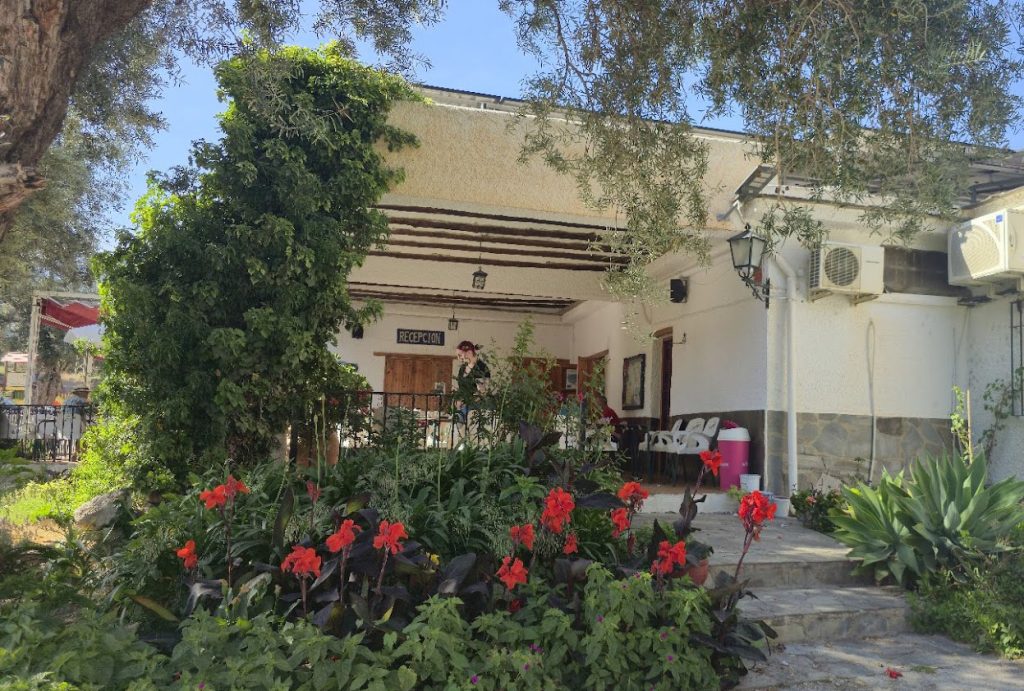
A long-standing, family-run accommodation option, opened in 1996, and ideally located to explore the area, is Camping Órgiva. This remains a popular base for those wanting to relax, unwind, and explore. Located a 20-minute walk, or five-minute drive from Órgiva town centre, the campsite combines easy access with a quiet setting. It draws loyal clients annually.
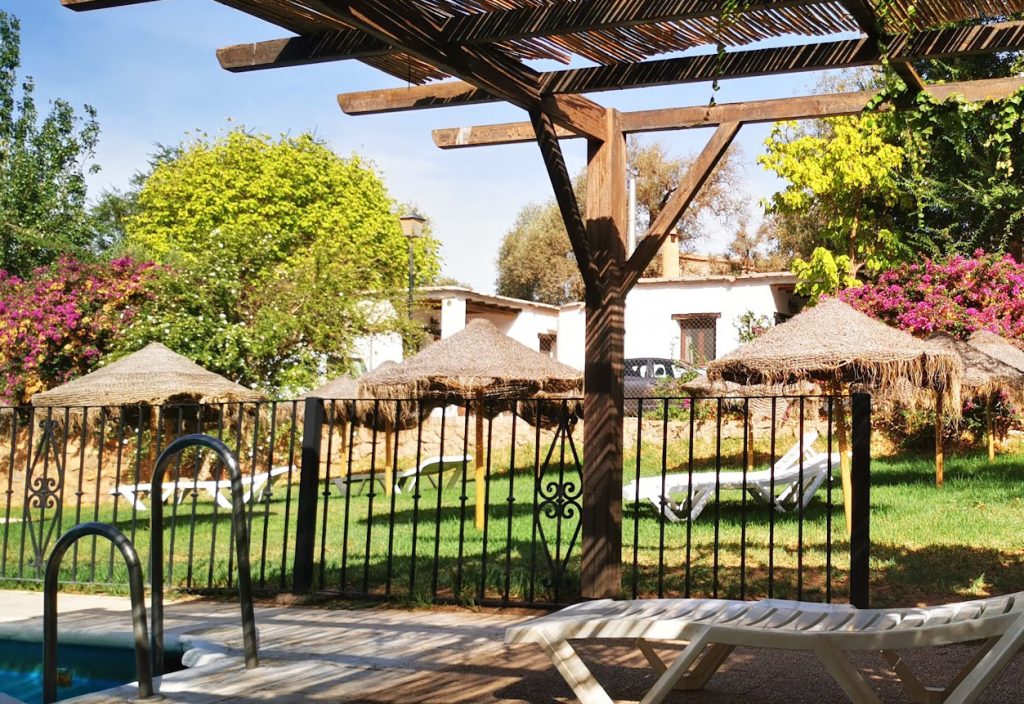
The campsite includes cabins, bungalows, a well-kept swimming pool (open in summer months), facilities blocks for campers and motorhomes, and a restaurant with a large terrace serving a weekday ‘menú del día‘ (fixed-price menu). Directly opposite lies the natural dip pool under the Seven Eye Bridge. The site is full of flowers and trees.
Angel García, proprietor of Camping Órgiva, who has run it for 30 years with his wife, said: “Our campsite offers a range of accommodations, allowing for a comfortable and convenient stay while exploring La Alpujarra. Furthermore, longer stays qualify for special discounts, making it an attractive and relatively affordable option without sacrificing the usual amenities of this type of accommodation.”
Órgiva’s social whirl
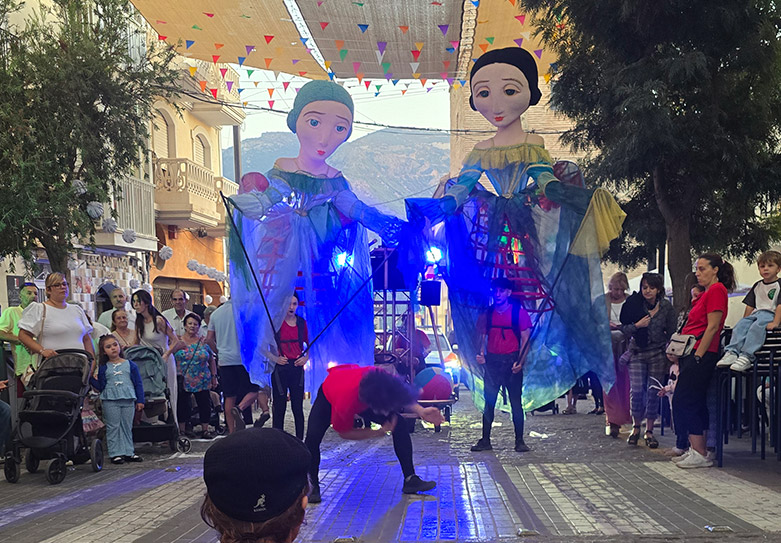
Órgiva hosts some of the largest events in the western Alpujarra. The town’s main ‘feria’ takes place at the end of September, to coincide with Feast of Saint Michael (San Miguel). This event attracts visitors from across the region. Attractions include a ‘migas’ bake-off, street parades, horse event, egg-eating, and flamenco dress contest.
Once the party “season” gets going, there is something almost every weekend! The long-running ‘Festival Flamenco Ciudad de Órgiva’ remains an established summer cultural highlight. You can also enjoy an annual artisan products fair, music nights in the Plaza de las Culturas, DJ nights in the ‘carpa municipal’, (party tent), and many private events. These celebrate the diverse talent found in the town, and the surrounding Alpujarra.
Annually, before Semana Santa (Easter), the ‘Cristo de la Expiración’ celebration goes off with a bang. This event involves loud and impressive firework displays outside the church. Many residents see this as the unofficial start to the social season! Let’s face it: there’s always a ‘feria’ or special event to enjoy in rural Andalucia! Some of these events take place in orbital villages in the municipality, such as Bayacas, Tablones, and Las Barreras.
The Thursday market continues to play an important role in Órgiva social life, drawing people from surrounding villages – as it has done for decades. Some of the artisan crafts are age-old, whether leather goods, or woven textiles. Strolling around the market, listening to the sights and sounds, you could alomst imagine you are a ‘Huevero‘ (Órgivan) from a past decade…. but without arriving on your mule!
Highlights of Órgiva’s social calendar for 2026
| Date | Event | Location |
|---|---|---|
| May 23 | Suena Órgiva | Plaza de las Culturas |
| July 17–18 (tbc) | Fiesta de la Virgen de los Dolores | Órgiva |
| July 18 (tbc) | Virgen del Carmen | Barrio Alto |
| July 24–25 (tbc) | Festival Jazz | Plaza de las Culturas |
| July 24-25 (tbc) | Santa Marta | Las Nuevas |
| August 1 | Festival Flamenco | Órgiva |
| August 8–9 | Santa Filomena | Barrio Bajo |
| August 13–15 | Virgen del Rosario | Alcázar |
| August 13 | Fiesta Pipirrana | Tablones |
| August 29 | Fiesta Blanca | Plaza de las Culturas |
| September 24–27 | Feria y Fiestas de Órgiva | Órgiva |
| September 24–27 | Feria y Fiestas de San Miguel | Fregenite |
| October (date tbc) | Halloween event | Plaza de las Culturas |
| October (date tbc) | Puente de la Inmaculada activities | Plaza de la Alpujarra |
| December | Christmas activities (tbc) | Plaza de la Alpujarra |