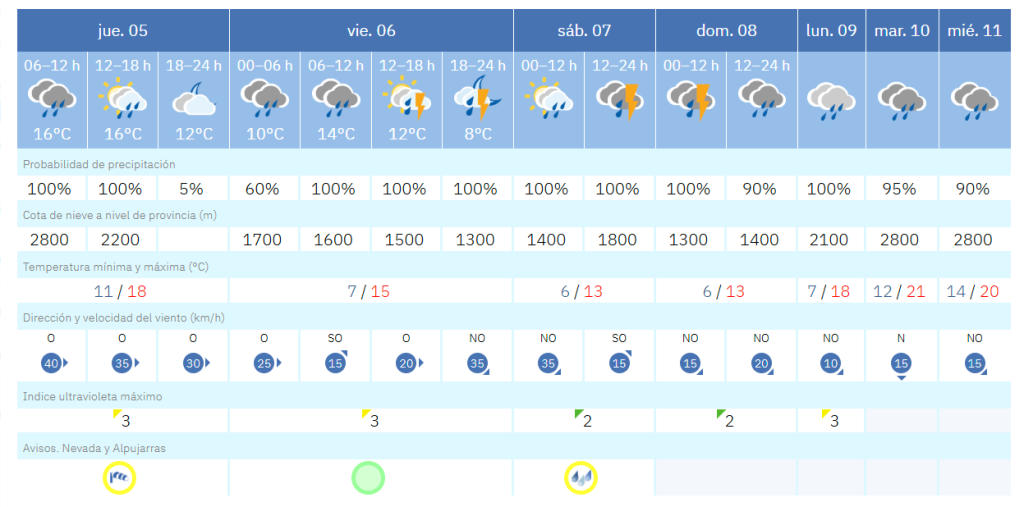
Jo Chipchase summarises how Storm Leonardo is affecting La Alpujarra and southern Granada. River levels are rising, flooding is occurring, and the Rules dam is releasing water as a safety measure – amongst other issues.
SEVEN days of sustained rainfall have pushed rivers and groundwater levels across southern Granada and the Alpujarra to critical levels. This is prompting dam releases, rock falls and subsidence, road closures, damaged landmarks, and actual or pending floods. Although schools have reopened today in most areas, after yesterday’s precautionary closures, repeated safety and weather warnings remain in force, as Storm Leonardo continues to affect the region.
The problem is that heavy rain – forecast to last for several days – is falling on already saturated ground, described by official sources as “sponge-like” in certain areas. With temperatures having risen on Wednesday, the rainfall is coinciding with snow and ice melt coming from higher elevations of the Sierra Nevada. The runoff is causing a rapid rise in water levels, increasing pressure on rivers, drainage channels, dams, nearby infrastructures, and crossings/bridges – across southern Granada.
One rising river is the Guadalfeo, which passes near the market town of Órgiva. In the riverbed of nearby Cigarrones, a bus was swept away last night, while onlookers gathered in a safe place.
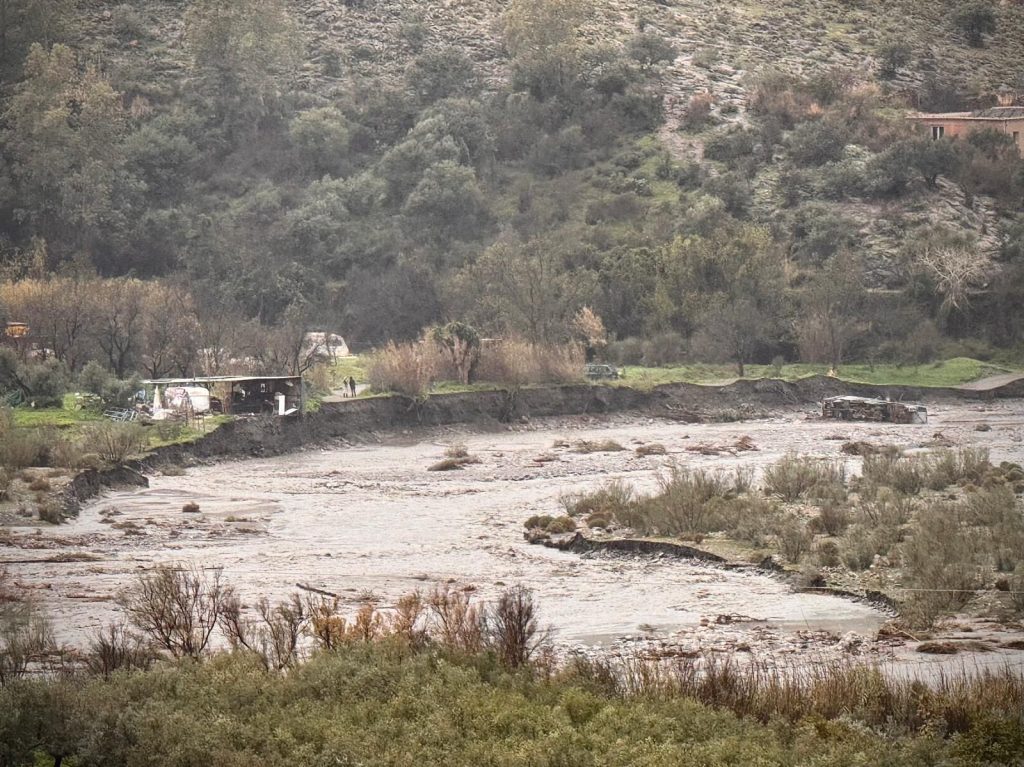
The Alpujarra Alta: come hell or high water
In the Alpujarra Alta (where residents have endured a harsh winter in their mountain houses), water levels rose quickly as torrential rain was compounded by meltwater.
In Trevélez – the highest village in La Alpujarra – the river’s flow is continuing to increase, with fast-moving water overtopping road crossings and carrying debris downstream. Meanwhile, the town is also experiencing power cuts.
As Wednesday 4 February progressed, footage of the river Guadalfeo below showed high, fast-flowing water close to the Seven Eye Bridge (a well-known landmark near Órgiva) – with water levels noticeably higher by evening. Conditions worsened overnight.
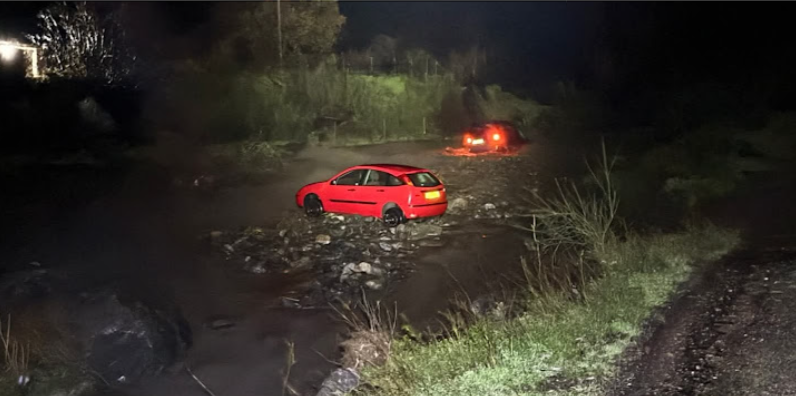
As well as the washed-away bus, footage of the nearby Río Chico (another riverbed) showed vehicles trapped in water at around 11pm, with their headlamps lit. Meanwhile, the small bridge between the village of Bayacas and the rough track leading to Órgiva overflowed with flood water and became impassable.
La Taha reported landslides and rockfalls, while the landmark of Fuente Agria at Pórtugos – a beautiful ferrous waterfall – was damaged and must be restored following the storm. Across the region, falling trees have become a hazard. During the strong winds of Friday 30 January, a large tree fell across a pavement and almost hit a parked minivan in the spa town of Lanjarón. The same day, other towns, including Capileira, experiened access roads blocked by trees.
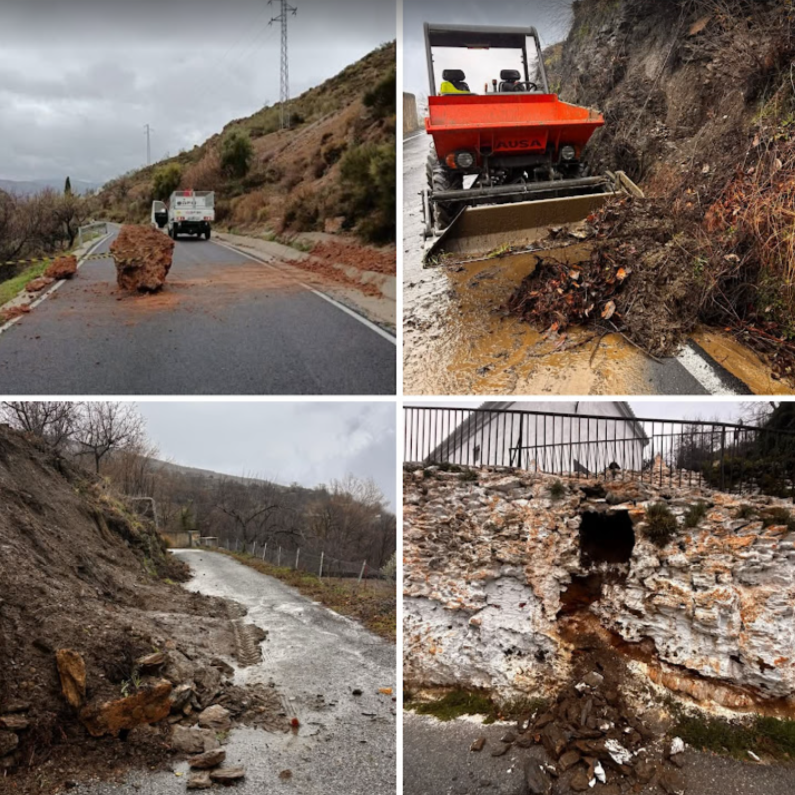
Rockfalls and landslides also affected roads in Lobras and Tímar, with large stones and debris blocking carriageways and requiring clearance by maintenance crews. In Figueras, a bus stop was washed away.
Worryingly, the peak of the water dispersion from the Sierra Nevada and Alpujarra Alta is not expected until Friday 6 February, and rain falling over the next few days is unlikely to help the situation.
Lanjarón adopts a preventative approach
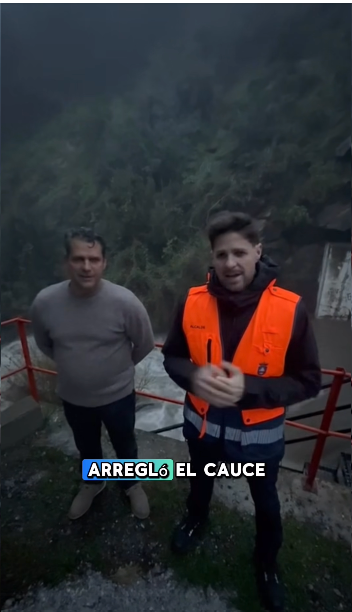
In Lanjarón – best known for its ‘Fiesta de Agua y Jamon’ for San Juan on June 23, where it is necessary to handle “mucho agua” – the response was preventative. The ayuntamiento confirmed that the river channel has been declared clean and flowing correctly (to Rules dam) by officials from the Junta de Andalucia, and that the situation is being monitored.
Lanjarón is frequently one of the most organised and proactive municipalities for forward planning, public relations, and crisis management – as well as damage limitation!
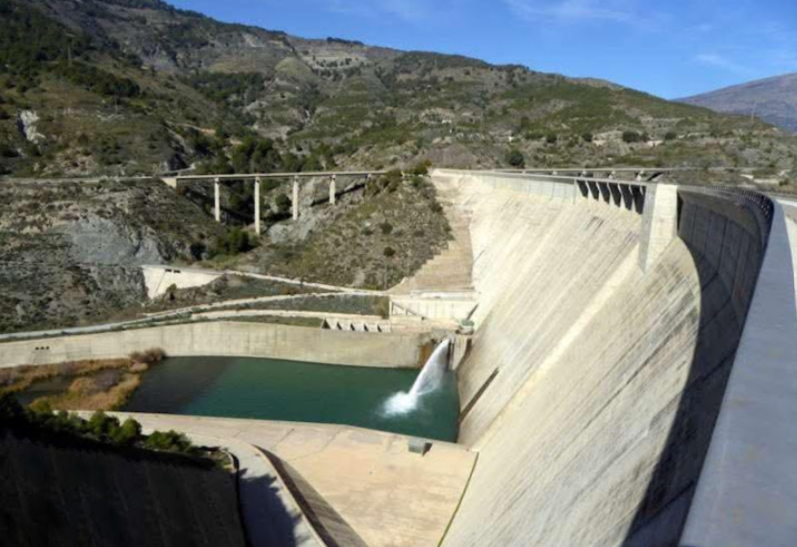
Rules dam begins controlled water release
Many local water courses end up in the Rules Dam – near Velez de Benadualla and the Rules viaduct, which is in the second stage of its most recent repair phase. This is putting pressure on the reservoir. Yesterday, Salobreña town hall confirmed that Rules dam is releasing water at a rate of 30,000 litres per second, following a communication from emergency services. The controlled release is a “safety measure” because of rising river levels. Residents are advised to stay away from the Guadalfeo riverbed as it passes through the municipality, avoid ramblas and barrancos, and limit unnecessary travel.
There is another cause of possible concern: the Rules dam area is monitored for ground movement. This subsidence a one cause of the repeated motorway viaduct repairs. Studies from the University of Granada identified subsidence and terrain instability in the area surrounding the reservoir, linked to geological conditions and water-level fluctuations. While the current water release is standard dam safety management, the existence of known subsidence highlights the need for caution.
Wider provincial impact highlights the scale of storm
The broader regional picture shows the scale of the severe weather event caused by Storm Leonardo. In Granada city, images published by regional newspaper, IDEAL, show the Río Genil running heavily with water.
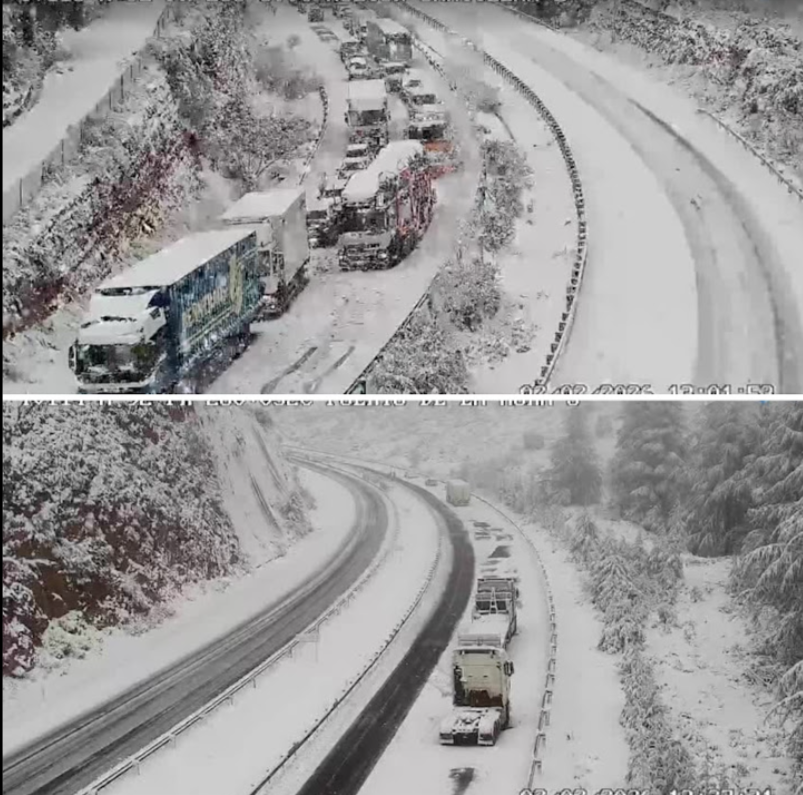
Flooding has affected the old Sierra Nevada road between Cenes de la Vega and Pinos Genil, while at higher elevations snowfall caused further disruption and road closures.
Authorities repeat their safety warnings
Authorities have repeatedly warned the public to stay clear of rivers, barrancos and ramblas – advice highlighted by events in Sayalonga, in Axarquía (part of Málaga province). Today, emergency services are still searching for a woman swept away by a swollen river, after successfully rescuing her dog. This shows the danger posed by fast-rising watercourses, that can take people by surprise. Walk away from the riverbed!
There are some reports of supermarket shelves being emptied by panic shopping, but this is clearly random cases, as supply chain disruption is not reported.
With further yellow weather warnings in place, and more rain forecast in the coming days, along with continued runoff from melting snow, the situation across the region is expected to escalate. South of Granada will not use the platitude “stay safe” but definitely remain vigilant!