
Jo Chipchase reports on the human impact of the latest earthquake in Granada. Residents face damage to buildings, continuing seismic movements, and fear of returning home…
A MAN carrying his collection of caged birds to safety, residents departing with suitcases, police evacuating damaged ‘bloques’ , and the closure of commercial centres marked Granada today (Tuesday 18 August). This morning brought a second intense earthquake in Granada, measured at 4.8 magnitude by the National Geographic Institute (IGN). It hit the metropolitan area at approximately 10.37am, with its epicentre in Gójar.
The significant tremor – occurring just 5km below the earth’s surface – sent thousands of people fleeing to the streets in 40C temperatures. Hours later, many are still there – wondering whether it’s safe to return home. Some properties are damaged, especially in the ‘barrio’ of Zaidin, which contains some older housing stock, as well as in Las Gabias. Some streets have been cordoned off, for safety reasons.
The earthquake in Granada was widely noted – including across La Alpujarra (the reporter felt her bed shake), Malaga, and as far away as Murcia, Córdoba, and Madrid.
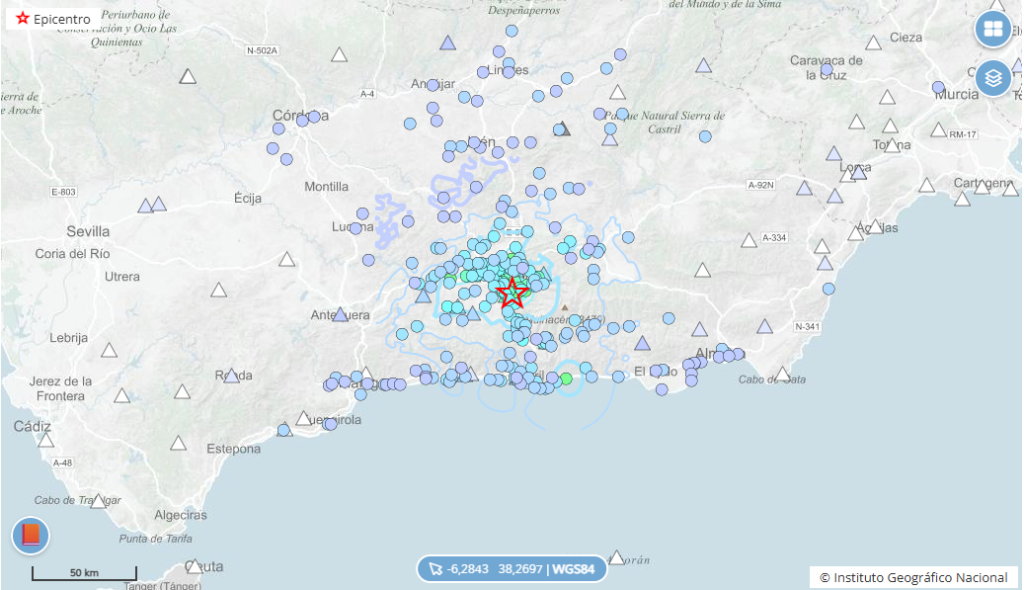
First hand report from Granada metropolitan area
An eyewitness told South of Granada that his residential block is strangely quiet tonight, and appears largely empty, while many people remain outside. His apartment is damaged, with large cracks on floors and ceilings. Meanwhile, “earthquake tourists” are driving slowly through the ‘barrio’, waving smartphones.
He says: “During the earthquake of Saturday 15 August, people largely remained outside – until a storm with torrential rain forced them back inside at around 4am. I guess they’ll stay outside until they really need to go home.”
For those inhabiting budlings during this morning’s earthquake, the experience is apparently hard to describe. “Unless you’ve actually been through it, it’s very difficult to explain. The whole building is shaking, there’s this loud sound and – for a few seconds – you really don’t know what’s happening. People were screaming.”
Directly afterwards, scenes were slightly chaotic. “It was like Armageddon. Sirens from police and ambulances. Everybody was outside, and most businesses were closed, although the bars were open. We were stepping over bits of fallen masonry.”
Six earthquakes in an hour, and over 150 movements since August 14
Amongst ongoing seismic activity, today’s largest earthquake in Granada at 10.37am was assessed by IGN at 4.8 magnitude, with maximum intensity of V–VI.
It was followed by five further earthquakes within the first hour – five occurring within approximately 20 minutes. One of the subsequent tremors reached 4.2 magnitude – although it wasn’t felt so widely.
The six earthquakes form part of a larger sequence. Hundreds of seismic movements have now been recorded since August 14, according to reports.
Juan Vicente Cantavella, director of Spain’s National Seismic Network, says that the major earthquakes on August 15 and August 18 are closely related and form part of the same seismic series.
>> Check the latest earthquakes directly with the IGN
Three injured and more than 500 calls to 112
This latest earthquake in Granada resulted in three people sustaining minor injuries, including a minor who was taken to hospital.
As the day progressed, the scale of the event became clearer. More than 500 calls were received by emergency service 112, including reports of cracks to buildings, falling cornices, and other damage.
Granada mayor, Marifrán Carazo, declared Emergency Phase 1 and called for “calm and tranquility”. He said that the famous Alhambra palace would close for safety reasons. Seven streets were cordoned off because of damaged façades, walls, and other hazards. Up to 16 local police units were deployed during the afternoon.
Reuters reported visible cracks in residential buildings, fallen debris, and precautionary evacuations.
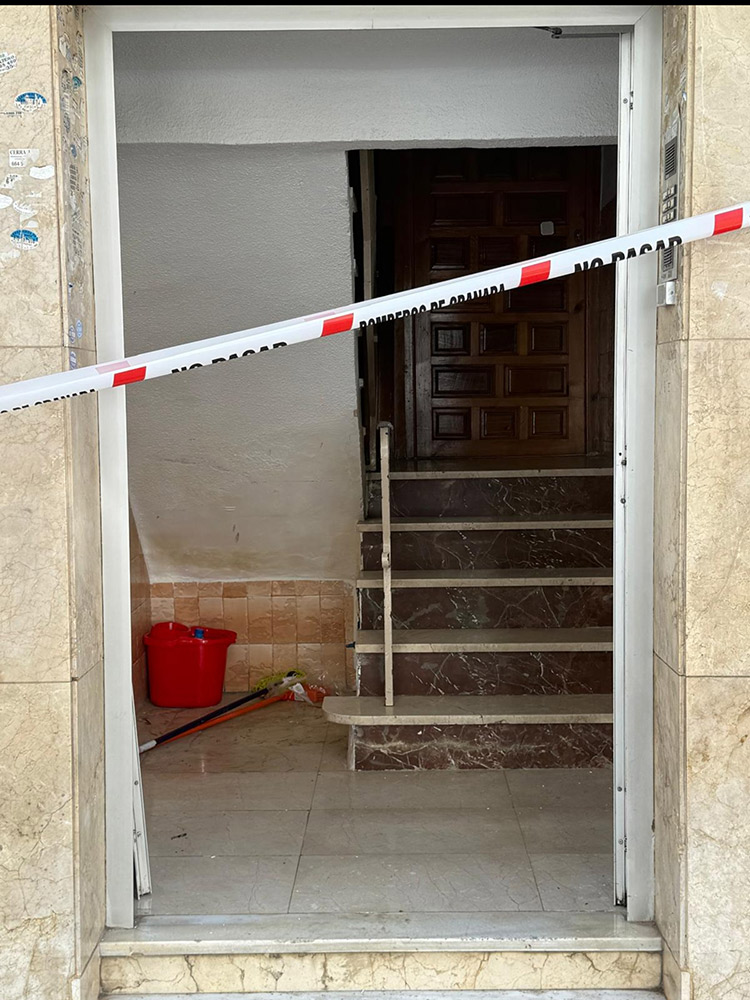
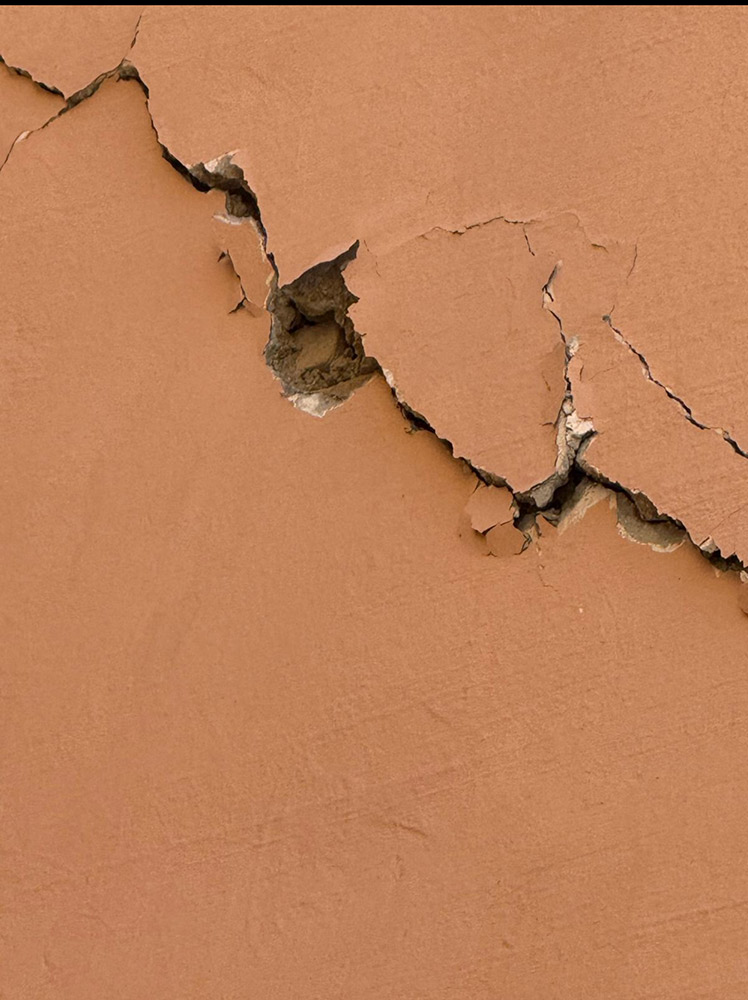
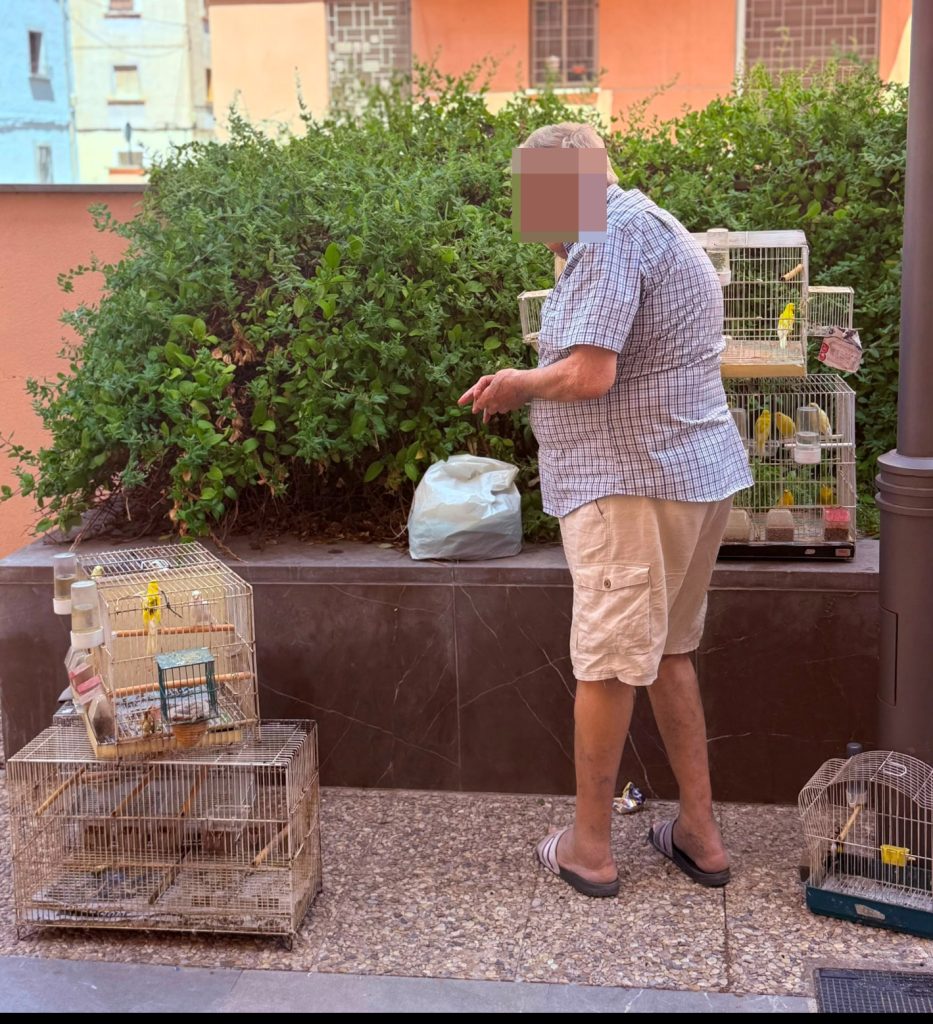
Results of today’s earthquake in Granada. Credit: Staff Reporter
Residents waiting outside
For people who have left their homes, a pressing concern is whether to return inside.
Not everyone has been formally ordered to evacuate. Some residents are understandably nervous. While some may have second homes, or offers of accommodation elsewhere, many people have jobs and commitments in the city.
There’s a cost implication of staying outside, such as buying food and drinks in bars and restaurants. According to our eyewitness, Burger King was a popular destination, thanks to its air conditioning.

Zaidín as part of Granada’s earthquake history
One of the recent hotspots for earthquake damage is Zaidín, which contains a lot of older and historically-protected housing.
The development of Zaidin accelerated from the 1950s through the 1960s and 1970s, with construction programmes to address Granada’s affordable housing shortage.
In particular, the ‘barrio’ of Santa Adela has a strange resonance with the recent earthquake in Granada. Research into the area’s regeneration suggests that almost 1,500 homes were built at the end of the 1950s, for people affected by the Granada earthquake of 1956.
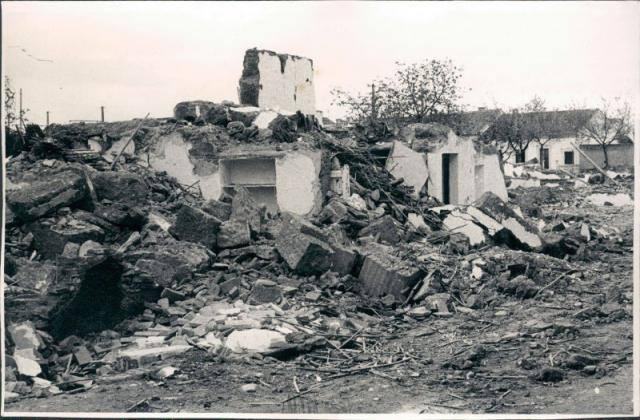
So, these houses were built before Spain’s first seismic regulations of 1968. This doesn’t prove that older social housing is inherently unsafe. And this ‘barrio’ has a publicly-funded regeneration programme. Academic research describes a process of demolition, reconstruction, and rehabilitation of blocks.
Up the road, in Las Gabias, some newer buildings aren’t faring so well – despite being built under seismic regulations. Several factors are important for earthquake damage, and building age is just one of them.
It’s hard to miss the irony of Santa Adela being built to help victims of Granada’s 1956 earthquake. Now, 70 years later, it is facing further seismic problems.
How strong was the earthquake in Granada?
The IGN assessed today’s earthquake in Granada as maximum intensity V–VI on the European Macroseismic Scale. This is a different rating to magnitude, which measures the size of an earthquake at its source. Intensity describes the shaking.
Intensity V corresponds to strong shaking, while VI is classified as slightly damaging.
The earthquake in Granada on Saturday 15 August also reached V–VI.
| Earthquake | Magnitude | Maximum intensity |
|---|---|---|
| Arenas del Rey, 1884 | Estimated Mw 6.5 | IX–X |
| Albolote–Atarfe, Apr 19, 1956 | Mw 5.0 | VII–VIII |
| Alhendín, Aug 15, 2026 | Mw 4.8 | V–VI |
| Gójar, Aug 18, 2026 | Mw 4.8 | V–VI |
The 1884 Arenas del Rey earthquake was in a different category. It occurred long before modern building regulations existed.
The IGN has a list of significant earthquakes in Spain. This is interesting, to asses the scale of past events.
Can scientists tell us what happens next?
The short answer is “no”. The August 15 and August 18 earthquakes in Granada are considered closely related and part of the same seismic series. However, earthquakes cannot be predicted with precision.
Granada seismologist, José Morales compared recent events to a 1979 sequence, lasting for six months. Let’s hope that doesn’t happen again!
For now, residents are likely to be worrying about damage to homes, whether to sleep outside, or head to the ‘campo’.
The next question will be: will we have another big earthquake in Granada?
If you feel an earthquake, you can report it to the IGN official monitoring service: Complete the official IGN earthquake questionnaire