
Jo Chipchase visits Puerto de la Ragua with her big dog, Bruno, and explores Laroles, Picena, and the eastern Alpujarra.…
HAVING lived for many years around Órgiva and Lanjarón, at the western end of the Alpujarra, I’ve watched the area become busier and more expensive. Rarely a week goes by without someone asking if Órgiva and its surrounding area is becoming gentrified. For sure, real estate prices and the cost of living are edging upwards, as the region becomes Andalucia’s answer to the Cotswolds.
“Slow tourism” is a concept that exists in some rural destinations, including La Alpujarra. This, presumably, means enjoying your chosen destination in a chilled manner. However, the noun “slow” can feel all too apt when you’ve spent half an hour trying to park and waiting to be seated in a bar or restaurant. On weekends and ‘puentes’ (bank holidays), some of the white villages in the Alpujarra Alta can be packed out, and the main “slow” element is the table service.
Another part of daily life in the western Alpujarra is the constant Guardia Civil traffic controls. At times, driving from A to B can feel like wandering into the production of ‘Traffic Cops’.
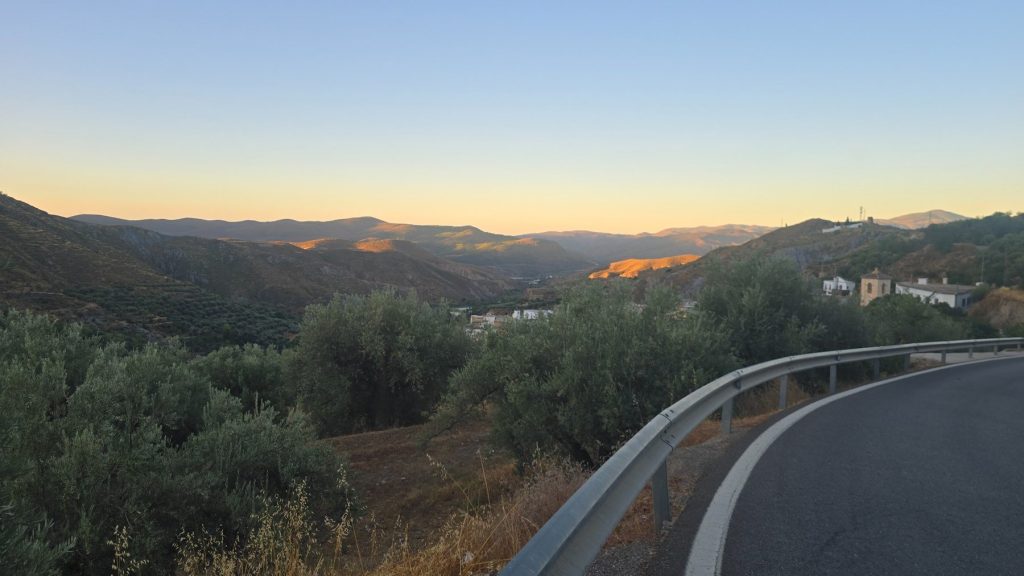
Around 90 minutes to two hours away, in the eastern Alpujarra, the clock has turned back to before the alleged “gentrification” occurred. Heading towards Picena, Laroles, and Puerto de la Ragua – near the border with Almería – you’ll encounter the familiar Alpujarran terrain (rolling ‘sierra’, valleys, riverbeds, agricultural terraces). However, in this area, you can park easily, find a table in the bar or restaurant, and eat cheaply. Village life doesn’t seem overwhelmed by day trippers and holidaymakers.
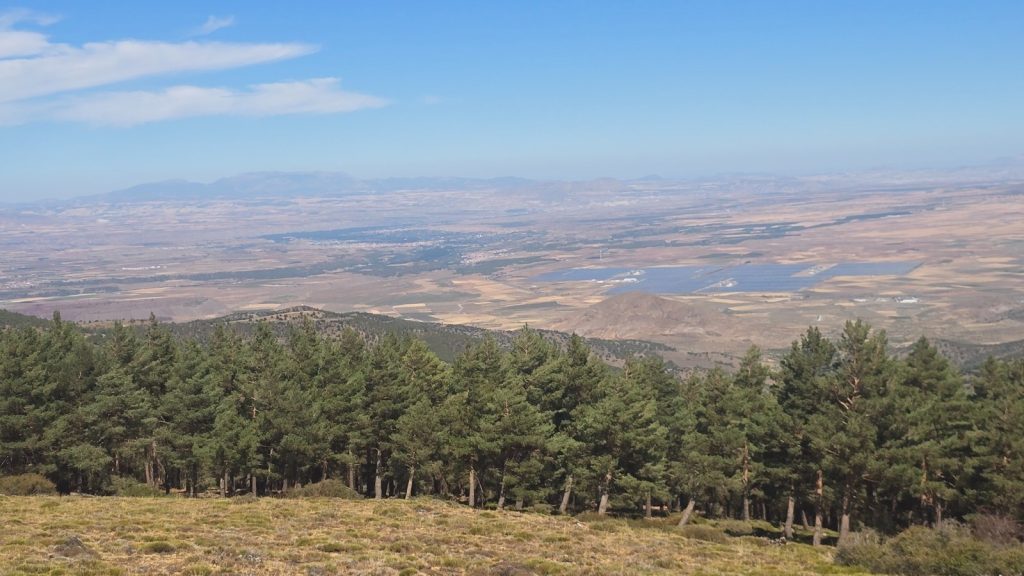
Panoramic views at Puerto de la Ragua
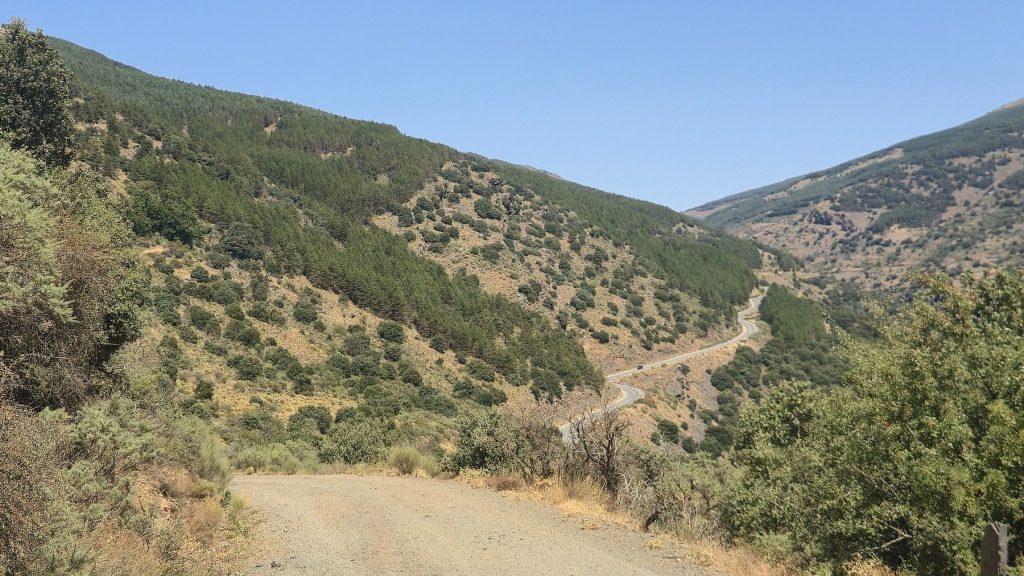
Puerto de la Ragua, alone, is a compelling reason to make the eastbound journey towards the Almerian Alpujarra and the high peaks of the eastern Sierra Nevada. The A-337 road climbs from the ‘pueblo’ of Laroles to around 2,000 metres, where the cultivated slopes give way to pine forests (similar to those found above Capileira and Cañar, to the west), before the road crosses the Sierra Nevada towards La Calahorra. Be warned: some of the mountain passes are not for nervous drivers.
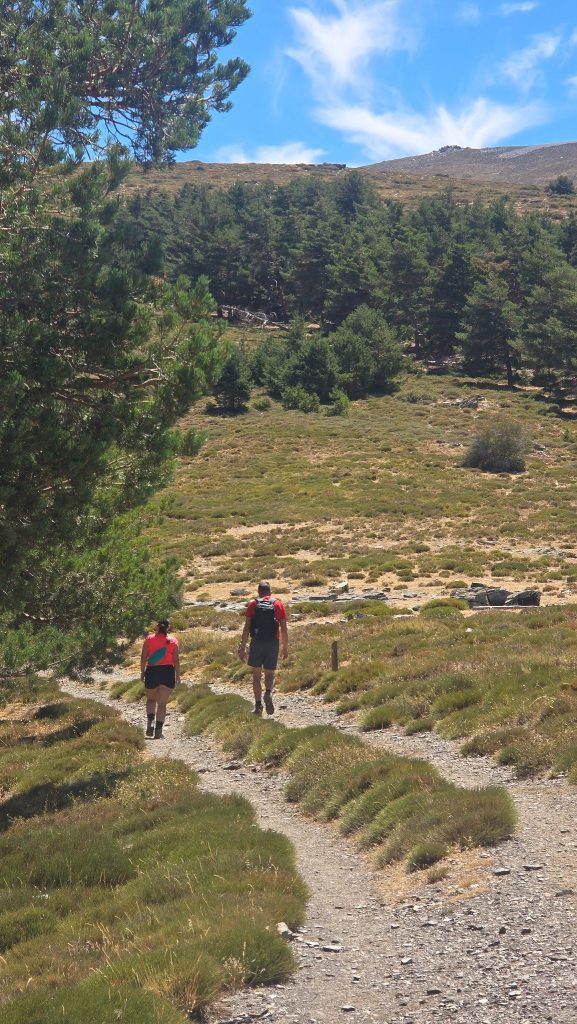
In winter, La Ragua operates as a small cross-country skiing centre. In summer, it is a base for walking and mountain-bike trails – including an approximately 8.5km return route to Chullo. At 2,611 metres, it is the highest peak in Almería.
For those with reduced mobility, the Junta de Andalucía has created the Prados de la Ragua accessible trail – a 900-metre route beginning near the refuge. It may also suit families with young children who want to explore the landscape safely.
Life below La Ragua
Laroles is the largest of the four villages forming the municipality of Nevada – alongside Picena, Mairena and tiny Júbar. Laroles has an active cultural calendar for its size, including Me Vuelves Lorca – the performing-arts festival which returned this summer with theatre, music, workshops, and flamenco. It also has panoramic views; various accommodation options; a ‘gasolinera’ with provisions, such as food; two decent bars/restaurants; two small supermarkets; and a hardware store. Handy!
Picena was the unexpected discovery of our trip. It has a gorgeous municipal swimming pool (now closed until next summer), walks, a viewpoint and… cheap property! Looking at houses wasn’t on the to-do list but I couldn’t help noting that there are bargains to be had, from €30,000 upwards.
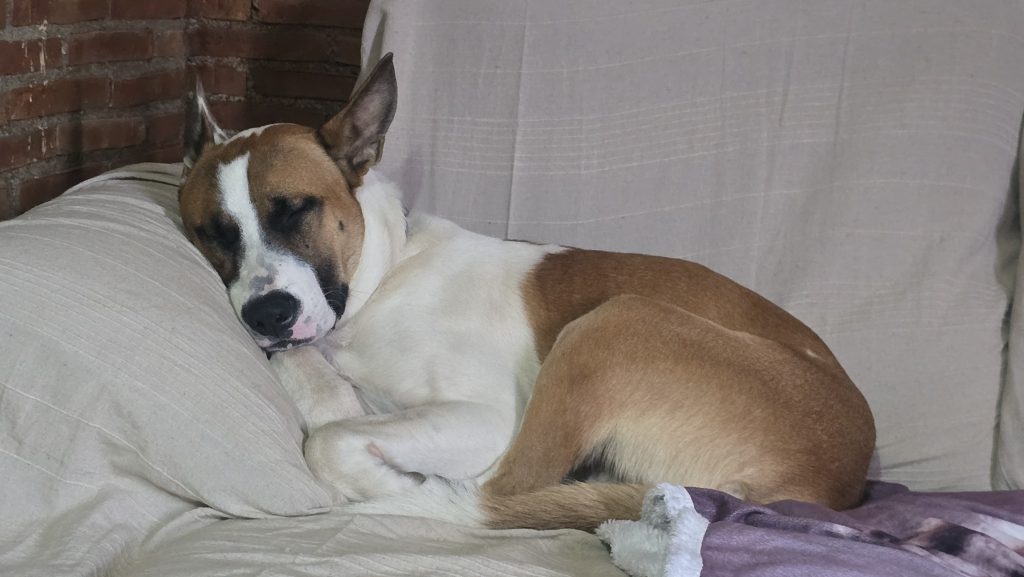
You won’t want to miss Café Bar Paco – a traditional, family-run village ‘local’. It opens at 6.30am and, soon afterwards, older residents appear with their walking sticks for a morning coffee (or anís) and chat. The food is inexpensive, the glasses of wine generous, and there’s no shortage of tables. Plus, Bruno was a big hit with the locals, who set about walking him and measuring his head.
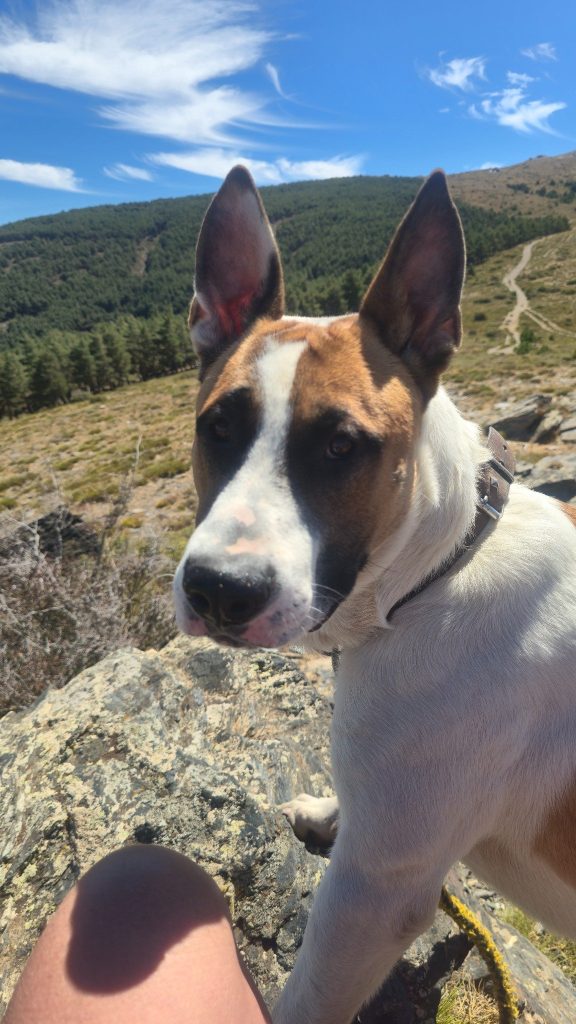
In fact, Bruno was welcomed everywhere that we visited in Nevada. At Restaurante Montesinos in Laroles, he was invited to sit on the terrace, where he was largely admired, with one woman clad in camoflauge trying to kiss him.
Nobody in Nevada mentioned Bruno’s supposed superhuman strength. Bruno is not Cujo or the Hound of the Baskervilles. Bruno loved the eastern Alpujarra – and it loved him back!
Other places to drive
Puerto de la Ragua gives you the option to continue northbound. The snaking A-337 road further traverses the Sierra Nevada, before dropping down towards La Calahorra, where a Renaissance castle is a renowned landmark, with the panorama of Guadix in the background.
The changing landscape is well worth seeing. However, snow and ice can affect the route in winter. Always check the weather forecast – and if the road is actually open – before starting your trip.
Puerto de la Ragua is easily visited in a day, but staying locally changes the experience. Instead of driving upwards, walking a few trails, and heading home, you can explore the villages, try the bars, eat cheaply, and truly enjoy the fresh air and open space.
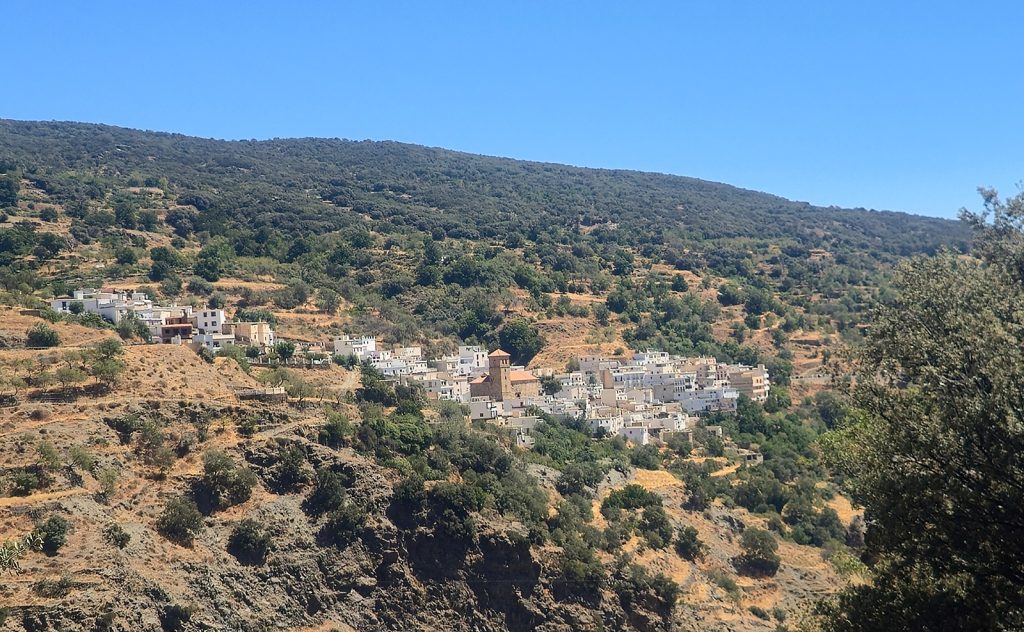
You can also drive into the Almerian Alpujarra, via precipitous mountain passes. One place to visit is the village of Bayárcal, just across the provincial boundary. With its traditional Alpujarran architecture, Bayárcal has a Muslim past, although the precise origins of the settlement are unclear. The village is renowned for the remains of the thousand-year-old castle of Yniza – an important fortification that controlled movement through Puerto de la Ragua during the Middle Ages. Silk production was also historically important to the local economy. The village offers accommodation and several places to eat and drink.
I visited Nevada / La Ragua to clear my mind, spend quality time with Bruno, and write some articles. A few days later, we had settled into the scenery – and it won’t be long until we return to this beautiful area.